

Wat is aangeboren CMV?
Door gesprekken met ouders van aangedane kinderen, is duidelijk dat we meer moeten weten over aangeboren CMV.
-
Bij een aangeboren CMV ziekte wordt een baby besmet met het CMV virus. Dit gebeurt tijdens de zwangerschap of na de zwangerschap via moedermelk. Het virus komt veel voor, maar maakt de meeste kinderen niet ziek.
Ongeveer 40% van de Nederlanders draagt het CMV-virus bij zich, meestal zonder het zelf te merken. Soms kan het leiden tot vermoeidheid, spierpijn, lichte verhoging of een algemeen ziek gevoel — symptomen die ook bij een normale zwangerschap kunnen voorkomen. Een zwangere vrouw weet dus vaak niet dat ze zelf een CMV infectie heeft.
-
In Nederland raakt 1 op de 100 zwangere vrouwen besmet met CMV. Ongeveer 40% van deze vrouwen geeft CMV door aan haar baby. Ieder jaar worden er 1000 baby’s geboren met een aangeboren CMV ziekte. Dat is 1 op de 250 kinderen.
-
Bij 90% van debaby’s met aangeboren CMV ziekte zijn er geen of milde klachten. Maar bij 1 op de 8 kinderen ontstaan wel klachten, soms al bij de geboorte, soms pas later. Denk aan:
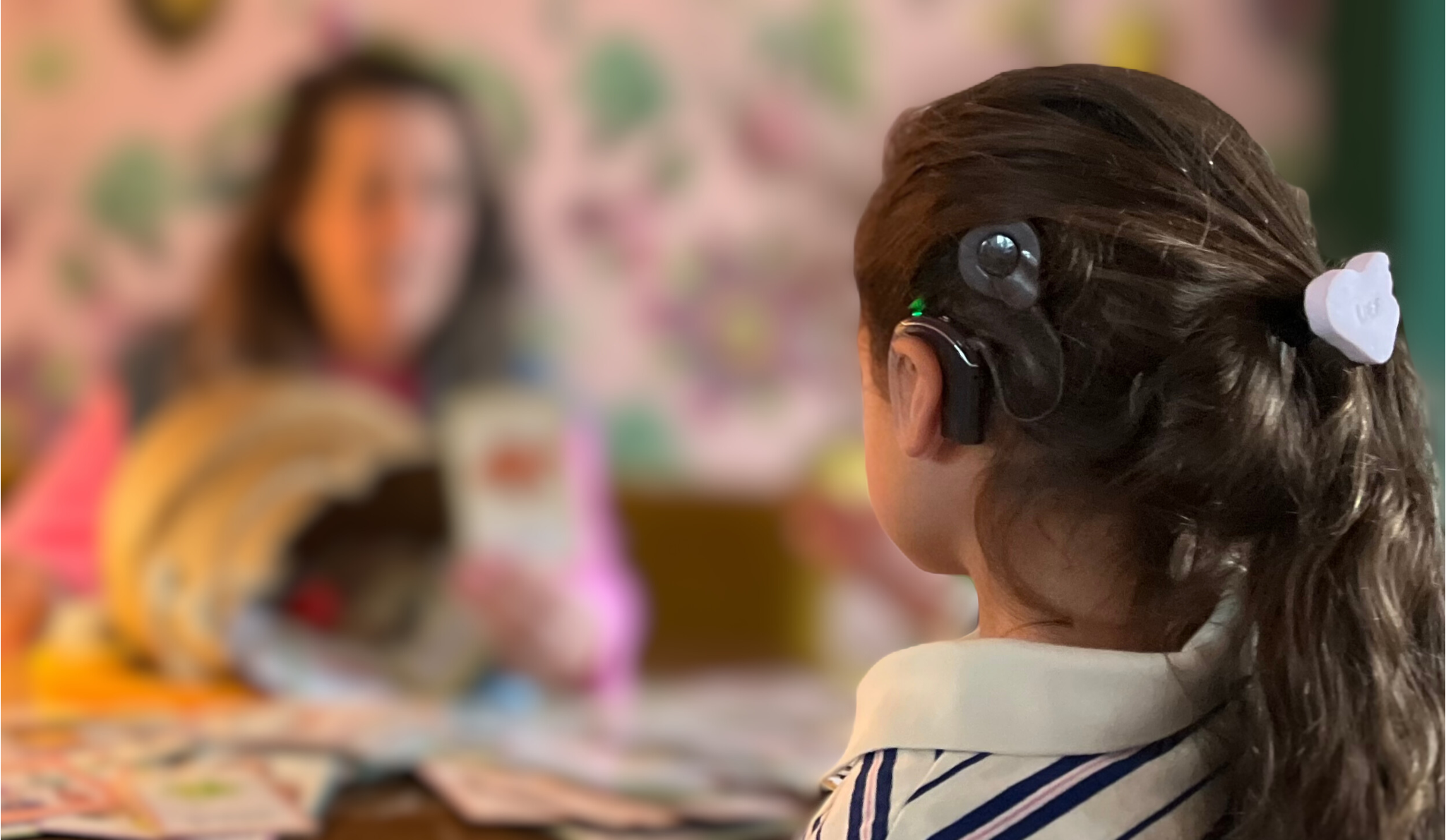
· Slecht horen of doofheid
· Ontwikkelingsachterstand
· Moeite met leren, gedragsproblemen
· Epilepsie
· Slecht zien
· Spierproblemen of spasticiteit
De meeste kinderen hebben een normale levensverwachting. Alleen kinderen met ernstige klachten leven korter.
-
Het virus kan via de placenta het ongeboren kind bereiken.
· Als de moeder in de eerste drie maanden van de zwangerschap besmet raakt, is er ongeveer 30% kans dat de baby ook besmet raakt.
· Bij besmetting in de laatste drie maanden stijgt dit tot ongeveer 70%.
-
Het CMV virus kan de hersenen van het kind aantasten. Ook kan het lichaam van de baby reageren door de lever en milt extra hard te laten werken, wat kan leiden tot een opgezwollen buikje. Vroegtijdige infectie in de zwangerschap vergroot de kans op klachten bij de baby.
Soms raakt het virus het kind niet zelf, maar beschadigt het wel de moederkoek. Dit kan de bloedtoevoer naar het kind verminderen, waardoor het baby’tje minder goed groeit en een laag geboortegewicht kan hebben.